The Production Capacity of Pupuk Indonesia
-
 Posted by
- Share


In the agricultural world, fertilizer plays a vital role as a key factor in determining harvest success. Crops require additional nutrients to grow optimally, and these nutrients are provided by fertilizer. Without adequate and appropriate fertilizer, crop growth may be hindered, ultimately reducing yields.
Fertilizer enhances soil fertility by supplying essential nutrients needed by plants, such as nitrogen, phosphorus, and potassium. With proper fertilization, farmers can achieve more abundant harvests, improved product quality, and increased income. Therefore, the availability of affordable and evenly distributed fertilizer is crucial for creating a productive and sustainable agricultural system.
Indonesia as an Agrarian Country with High Fertilizer Demand
Indonesia is known as an agrarian country, where a large portion of the population depends on the agricultural sector. From highlands to coastal plains, a variety of food crops, horticultural products, and plantations are cultivated and developed. This diversity in agricultural commodities results in a large and varied demand for fertilizers.
Despite challenges such as climate change, limited access to capital, and social transformation in rural areas, agriculture remains the backbone of the economy in many regions. The availability of sufficient and timely fertilizer becomes crucial to ensuring the continuity of national agriculture.
The Importance of Stable Fertilizer Production Capacity
To ensure that farmers across Indonesia can access fertilizer in a timely and adequate manner, the national fertilizer production capacity must be stable and even continuously improved. Disruptions in fertilizer availability can directly impact planting seasons, reduce productivity, and potentially lead to food price inflation. By maintaining fertilizer production capacity, Indonesia not only secures domestic supply but also becomes capable of meeting peak demand during planting seasons and upholding long-term food security.
A Brief History and Development of Indonesia’s Fertilizer Industry
Indonesia’s fertilizer industry began to grow in 1959 as part of the national food self-sufficiency strategy. The government established PT Pupuk Sriwidjaja (Pusri) as the pioneer urea fertilizer plant in Indonesia. Later, several other fertilizer companies emerged and formed a national fertilizer industry network.
To better coordinate production and distribution, in 2012 PT Pupuk Sriwidjaja (Persero) was renamed PT Pupuk Indonesia (Persero), becoming the state-owned fertilizer holding company. The holding oversees subsidiaries such as Pupuk Kaltim, Pupuk Kujang, Petrokimia Gresik, Pupuk Iskandar Muda, and Pusri Palembang. Over time, the national fertilizer industry has continued to modernize in terms of production capacity, energy efficiency, and the adoption of environmentally friendly technologies.
National Fertilizer Demand Based on Strategic Commodities
Fertilizer demand is greatly influenced by the types of crops being cultivated. Several strategic agricultural sectors in Indonesia require a consistent fertilizer supply to maintain optimal production:
1. Rice: Requires urea, SP-36, and KCl to support stalk growth and grain formation.
2. Maize: Typically uses a combination of urea and NPK to support cob formation and kernel filling.
3. Sugarcane: Relies on ZA fertilizer (which contains nitrogen and sulfur) to increase sugar yield.
4. Oil Palm: Needs specialized NPK with added magnesium and boron.
5. Horticulture (chili, tomato, onion, etc.): Benefits from balanced NPK and organic fertilizers to maintain quality and productivity.
National Fertilizer Production Capacity by Type
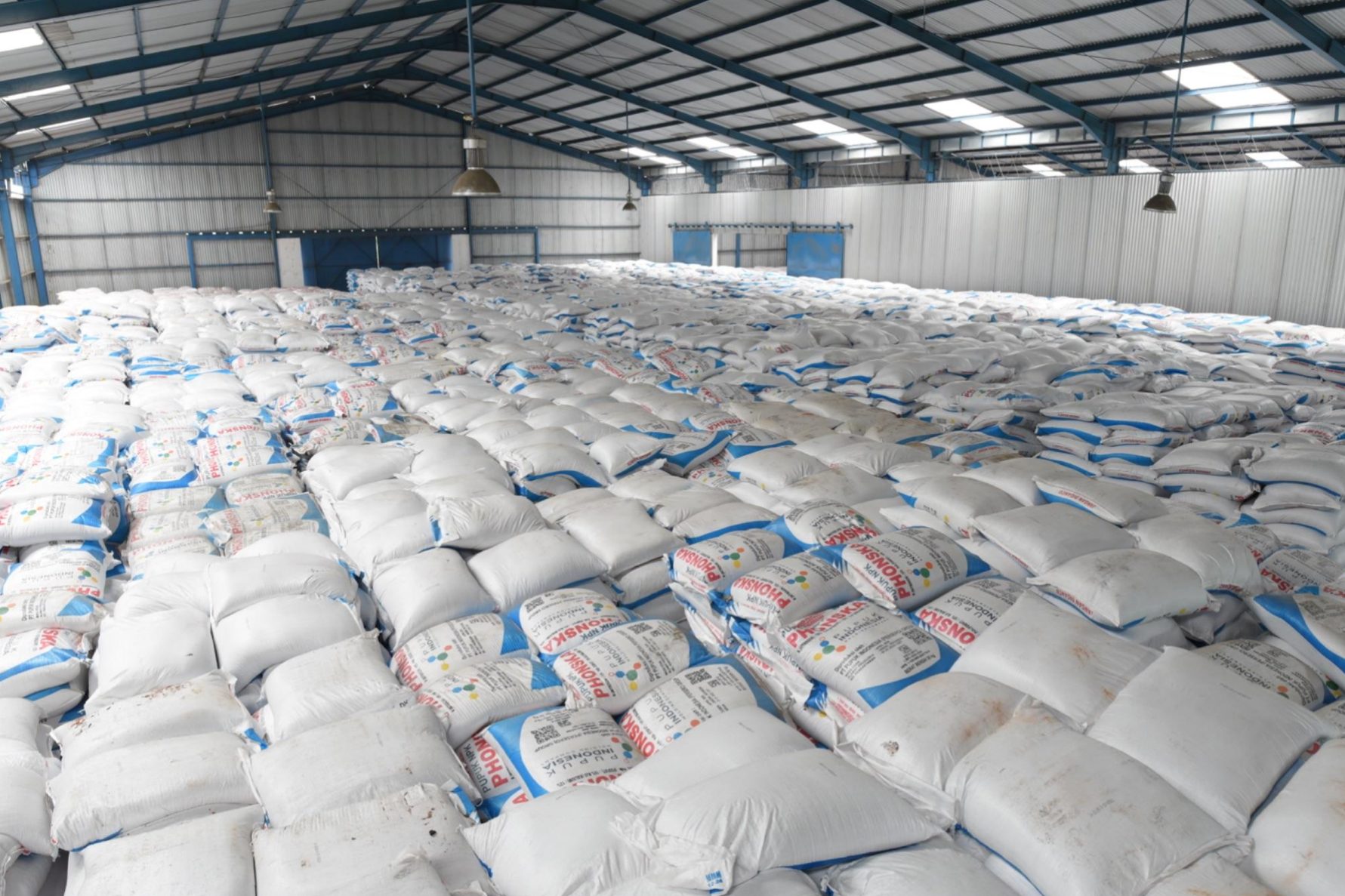
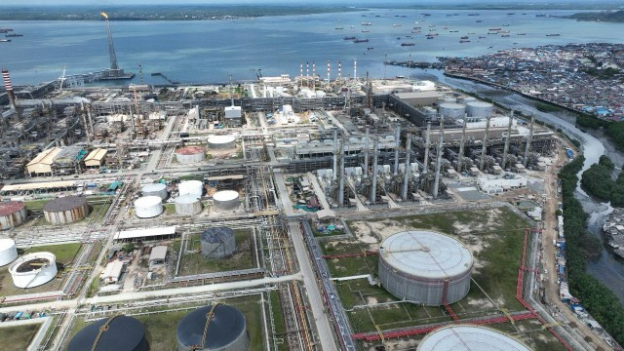
PT Pupuk Indonesia (Persero) currently has a substantial production capacity totaling 14.6 million tons per year, distributed among several fertilizer types:
- Urea: 9,362,500 tons per year
- NPK: 4,500,000 tons per year
- ZA: 750,000 tons per year
- ZK: 20,000 tons per year
This capacity reflects Indonesia’s ability to meet domestic demand and provides room for export in case of surplus production.
Pupuk Indonesia as the Pillar of the National Fertilizer Industry
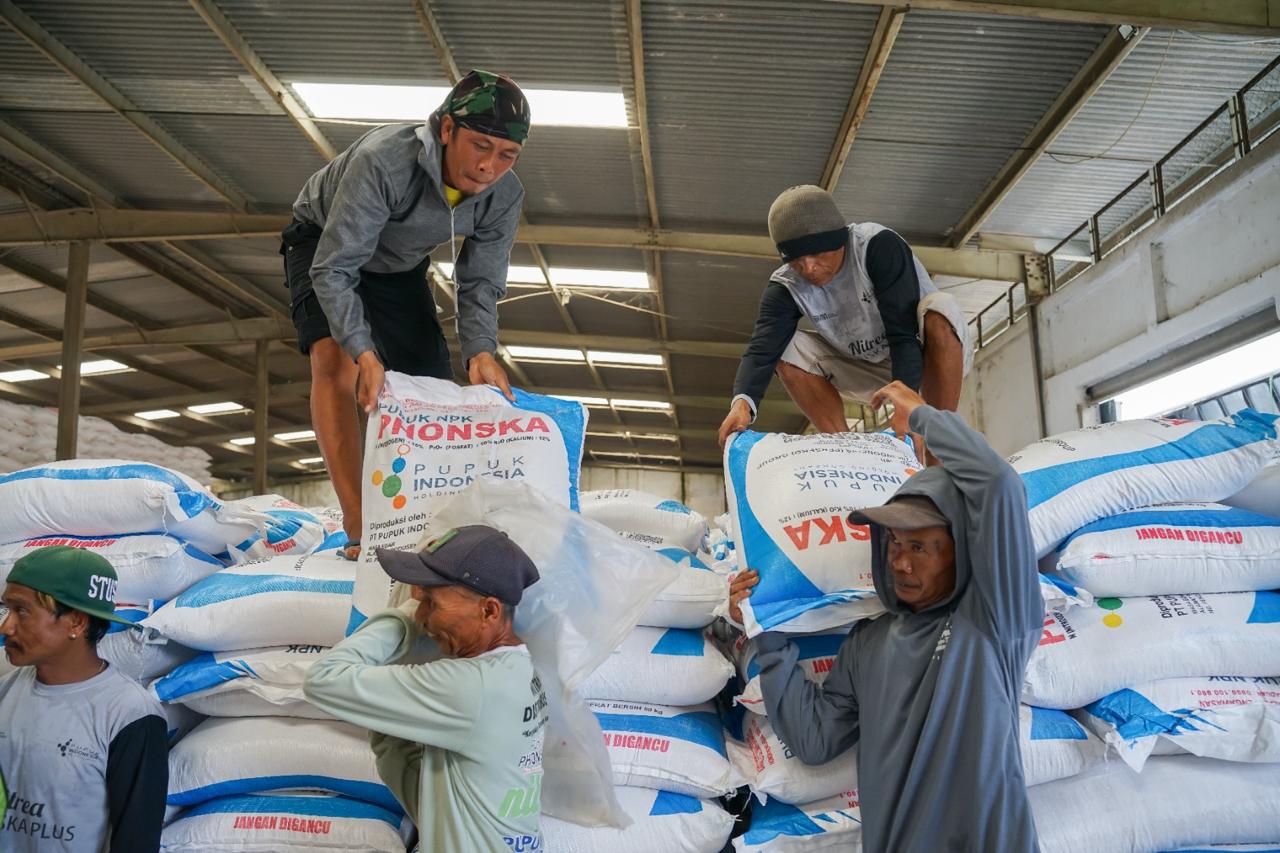
PT Pupuk Indonesia (Persero) plays a key role in ensuring the smooth production and distribution of fertilizer in Indonesia. Through its subsidiaries, the company operates production activities with high standards and maximum efficiency. Pupuk Indonesia also actively supports government programs, assists farmers, and facilitates collaboration between the agricultural sector and private stakeholders through the Makmur Program.
Maintaining and Enhancing Production Capacity
As food demand rises, fertilizer production capacity must be continuously enhanced. Several strategies must be implemented:
- Modernizing outdated fertilizer plants
- Improving efficiency and diversifying production
- Increasing organic fertilizer output
- Innovating fertilizer formulations based on specific crop needs
- Promoting balanced fertilizer usage through education
These steps are vital to help Indonesia address various challenges such as climate change, global price fluctuations, and geopolitical pressures.
Achieving a self-reliant and sovereign agricultural system cannot be done by a single party. It requires strong collaboration between the government, state-owned enterprises, the private sector, academics, and—most importantly—farmers themselves.
By maintaining national fertilizer production capacity and ensuring smooth distribution, we strengthen the foundation of Indonesia’s food security. Let us join hands to strengthen the national fertilizer industry in pursuit of a modern, productive, and prosperous agriculture.