What is the Impact of the HGBT Policy on the Fertilizer Industry?
-
 Posted by
- Share


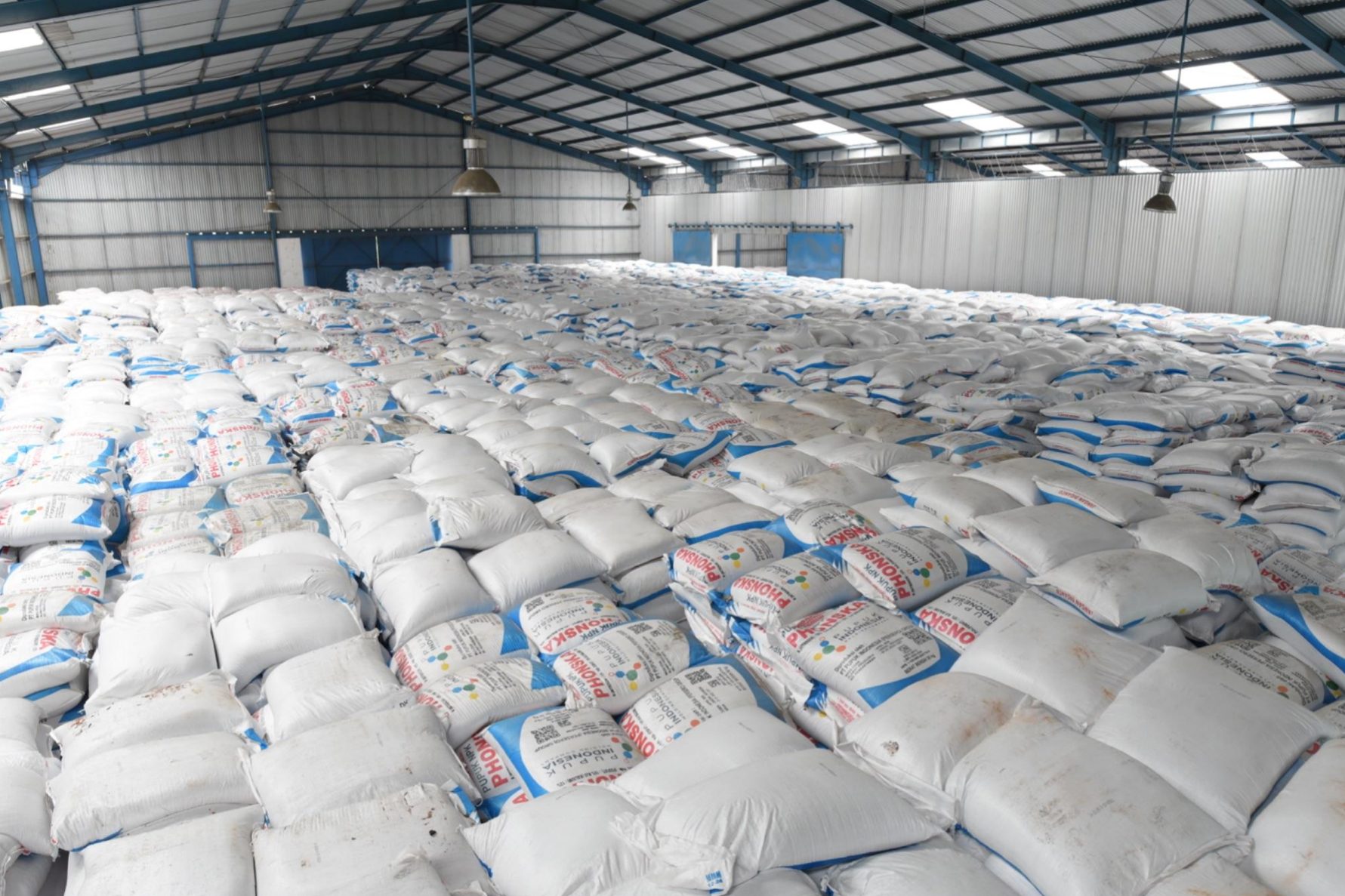
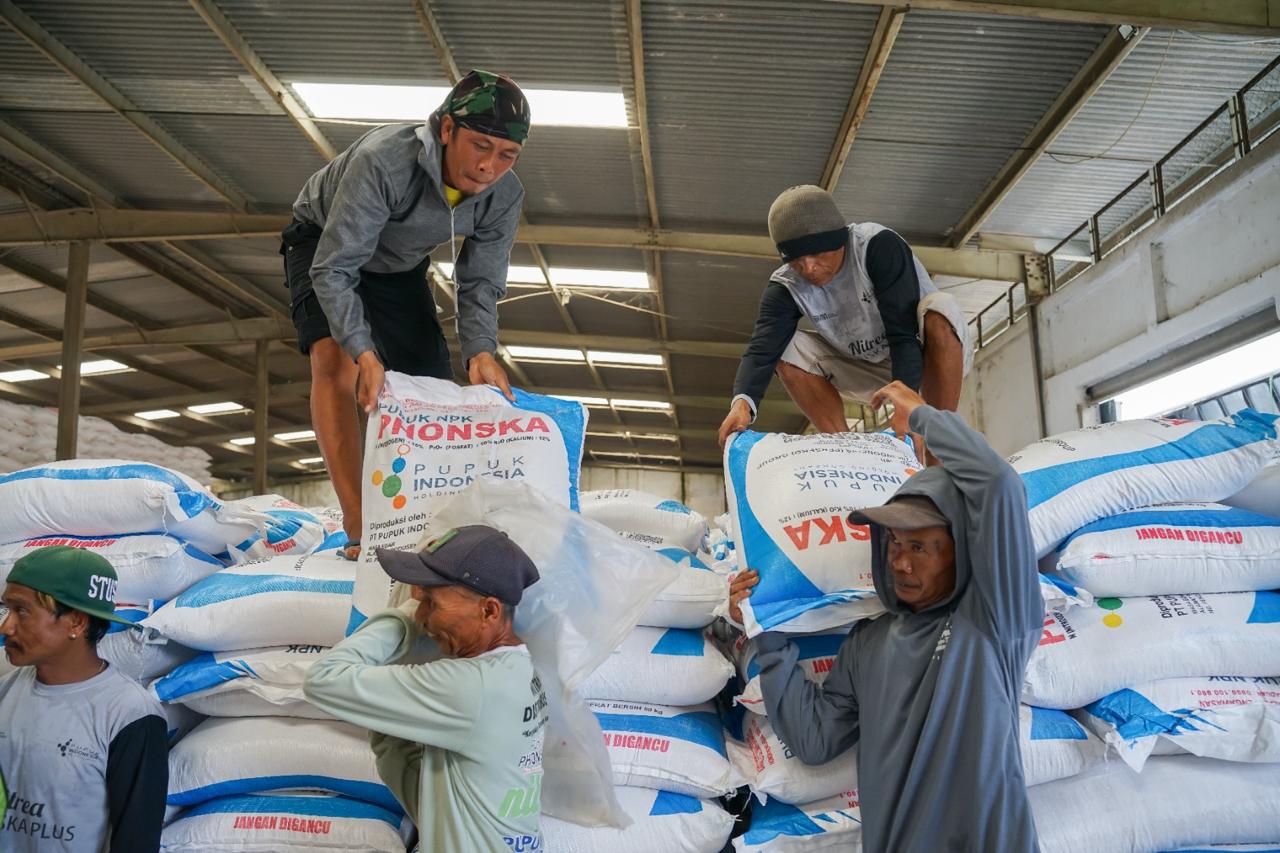
The fertilizer industry plays a strategic role in supporting the agricultural sector, which serves as the backbone of the national economy. The availability of fertilizers significantly determines agricultural productivity, especially as Indonesia is an agrarian country with a continuously increasing demand for food in line with population growth. Within this context, energy policies — particularly those related to gas prices — become crucial.
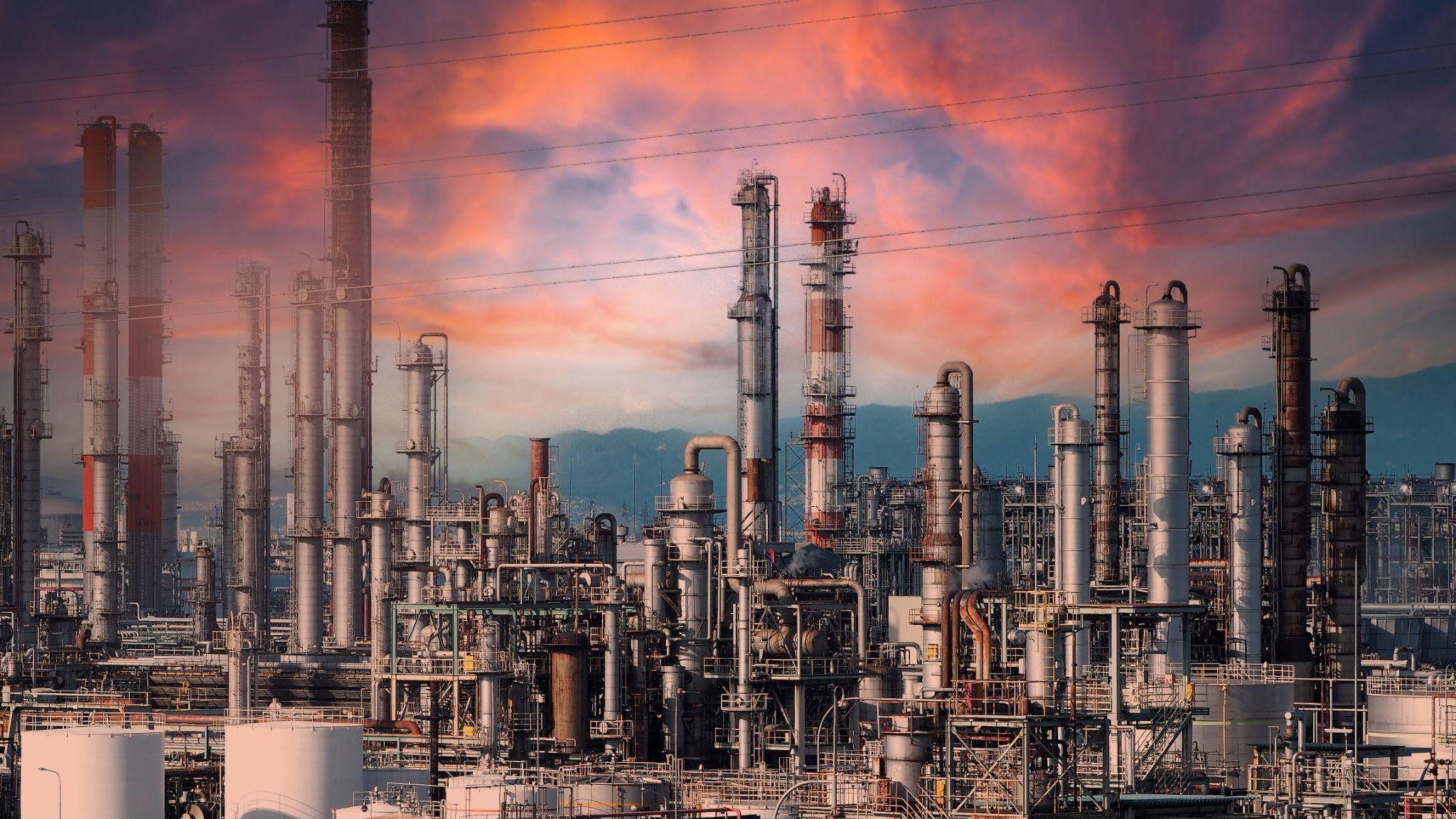
Natural gas is the primary raw material in fertilizer production, especially urea fertilizer. More than 70% of urea fertilizer production costs are determined by the price of natural gas. Any fluctuation in gas prices directly impacts fertilizer prices in the market. If gas prices rise, fertilizer production costs also increase, which can ultimately burden farmers due to higher selling prices.
Recognizing the importance of fertilizers in maintaining food security, the government has taken strategic measures by implementing the HGBT policy (Harga Gas Bumi Tertentu / Special Natural Gas Price) for the fertilizer industry. This policy is part of the national effort to reduce energy costs in strategic sectors, enhance the competitiveness of domestic industries, and support the sustainability of agricultural development.
HGBT Policy for the Fertilizer Industry
The Indonesian government acknowledges that international natural gas prices often fluctuate and tend to remain high, putting significant pressure on industries that rely heavily on this energy source. The fertilizer industry is among the most affected sectors because natural gas is not only used as an energy source but also as a key raw material in the chemical process of producing urea fertilizer.
Therefore, the HGBT policy aims to:
1. Ensure the continuity of national fertilizer production by lowering energy costs.
2. Enhance the competitiveness of Indonesia’s fertilizer industry in both domestic and international markets.
3. Secure affordable fertilizer prices for farmers as the frontline of national food security.
4. Stabilize fertilizer prices — both subsidized and non-subsidized — so they are less affected by global energy price volatility.
This policy is also aligned with the government’s long-term vision of strengthening the national industrial sector, reducing dependence on imported fertilizers, and increasing the potential for fertilizer exports to other countries.
Beneficiaries of the HGBT Policy in the Fertilizer Industry
The primary beneficiaries of the HGBT policy are national fertilizer companies under the Pupuk Indonesia Holding Company (PIHC), including PT Pupuk Kalimantan Timur, PT Pupuk Sriwidjaja Palembang, PT Petrokimia Gresik, PT Pupuk Kujang,PT Pupuk Iskandar Muda. These companies are the main producers of urea and NPK fertilizers in Indonesia, with a combined production capacity of 14.6 million tons per year.
With the implementation of the affordable gas price policy, the previously heavy production cost burden can be reduced, providing companies with greater flexibility to improve efficiency and expand production capacity. Ultimately, the benefits will flow to farmers — the end users — through more affordable fertilizer prices, and to the wider community through increased agricultural productivity.
The HGBT policy for the fertilizer industry is a strategic government initiative designed to ensure the sustainability of national fertilizer production. By reducing production costs, improving competitiveness, and opening up export opportunities, this policy delivers multi-layered benefits.
Given its positive impacts, maintaining the consistency of the HGBT policy is crucial to ensure that the benefits continue to support the fertilizer industry, the agricultural sector, and society at large. Ultimately, the success of this policy is measured not only by industrial cost efficiency but also by its contribution to safeguarding food security — the foundation of the nation’s development.