Optimization of Distribution, Pupuk Indonesia Promotes New Guidelines for Subsidized Fertilizers
-
 Posted by User01
- Share


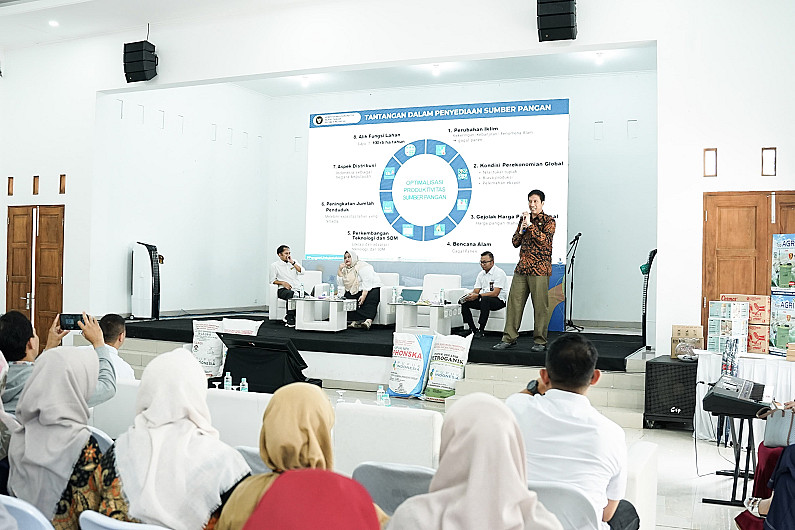
Pupuk Indonesia is committed to optimizing the distribution of subsidized fertilizers throughout Indonesia as part of efforts to accelerate national food self-sufficiency. One such effort was carried out by socializing the new technical guidelines (juknis) for the governance of subsidized fertilizer distribution in Gunungkidul Regency, Special Region of Yogyakarta (DIY), on Friday (August 8, 2025).
Senior Vice President (SVP) of Sales Strategy & Customer Service at PT Pupuk Indonesia (Persero), Deni Dwiguna Sulaeman, explained that the new governance regulations for subsidized fertilizer distribution are stipulated in Minister of Agriculture Regulation (Permentan) No. 15 of 2025, which serves as the implementing rule for Presidential Regulation (Perpres) No. 6 of 2025 on the Governance of Subsidized Fertilizers. One of the changes allows registered farmers to redeem subsidized fertilizers directly from Fertilizer Recipients at the Delivery Point (PPTS), which consists of four entities: retailers, farmer group associations (gapoktan), fish farming groups (pokdakan), and cooperatives.
“The presence of cooperatives does not replace kiosks, but rather complements the delivery points,” Deni said at the “Grand Socialization of Subsidized Fertilizer Recipients at Delivery Points” event in Gunungkidul Regency.
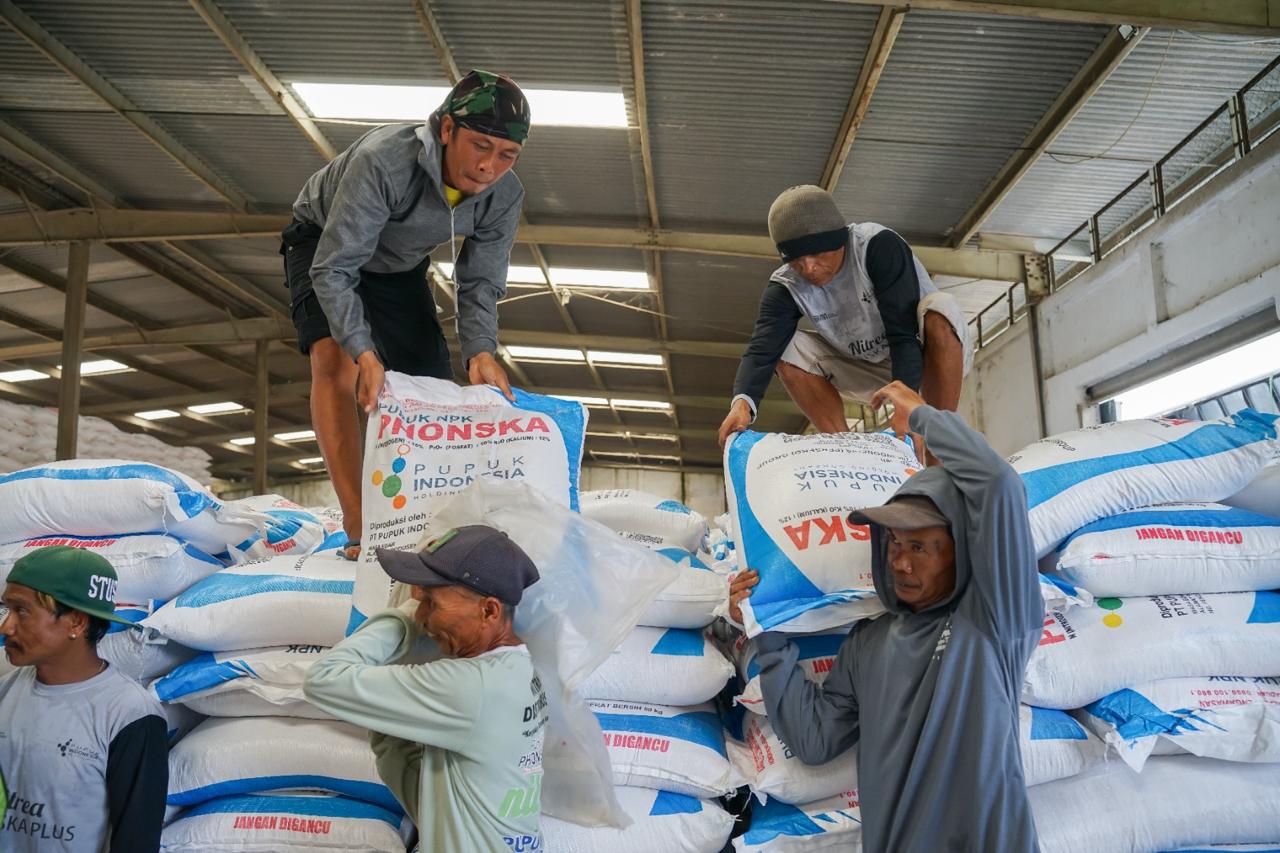
He further explained that Pupuk Indonesia acts as the operator of the regulations set by the Government, holding full responsibility for the distribution of subsidized fertilizers up to the recipients at the delivery points. As such, Distribution Business Actors (PUD), formerly known as distributors, have now become part of Pupuk Indonesia under the new regulation.
Several adjustments have been made to further optimize the implementation of this regulation, including upgrading the i-Pubers and WCM applications with new features. The i-Pubers app now includes a “Fertilizer Order” feature to capture the real fertilizer demand in the field based on delivery points. Meanwhile, WCM will be equipped with a new “Delivery Tracking” feature to monitor how long it takes PUD to deliver fertilizer after an order is placed.
At the same event, Head of the Subsidized Fertilizer Section of the Ministry of Agriculture (Kementan) of the Republic of Indonesia, Sry Pujiati, urged all farmers, PPTS, and PUD in Grobogan Regency to read and understand the new technical guidelines for fertilizer distribution to minimize redemption issues in the field.
“We must optimize the uptake of subsidized fertilizers according to the rules. Don’t be afraid if the allocation seems low; we can carry out a reallocation process. Farmers listed in the Definitive Plan for Group Needs (RDKK) are the ones entitled to receive subsidized fertilizers, and it is the RDKK that serves as the basis for redemption at the delivery points,” Sry said.
Assistant Deputy for Agricultural Production Facilities and Infrastructure Management at the Coordinating Ministry for Food Affairs (Kemenko Pangan), Bona Kusuma, explained that the essence of this new governance is to ensure that the national allocation of subsidized fertilizers—amounting to 9.55 million tons—can be distributed immediately by Pupuk Indonesia without tiered regulations at the provincial or district/city level.
He added that this latest regulation also ensures that subsidized fertilizers are distributed according to the “7 Rights” principle, particularly the newly introduced “right target” criterion. The Government wants to ensure that subsidized fertilizers are indeed received by farmers. “For this reason, the Government has given Pupuk Indonesia the authority to distribute subsidized fertilizers directly to the PPTS,” he stated.
Furthermore, he revealed that Presidential Regulation No. 6/2025 mandates the Coordinating Ministry for Food Affairs to establish a working group, as outlined in Coordinating Minister for Food Affairs Decree No. 6 of 2025, called the Working Group for Monitoring and Evaluating the Implementation of Subsidized Fertilizer Policy. This group is tasked with monitoring the progress and implementation of this governance in the field.
“One of the working group’s achievements is determining that the pilot implementation of this governance has been quite successful in five regencies, one of which is Gunungkidul,” Bona explained.
Gunungkidul Farmers to Receive 30,500 Tons of Subsidized Fertilizers
Meanwhile, Regional Sales Manager (SM) 2B of PT Pupuk Indonesia (Persero), Jeff Narapati, explained that the streamlining of governance aims to make it easier for farmers to access subsidized fertilizers. Therefore, he hopes that Gunungkidul farmers will take full advantage of this convenience by maximizing fertilizer uptake.
In 2025, farmers in Gunungkidul will receive an allocation of 30,500 tons of subsidized fertilizers. This represents more than 40 percent of the total allocation for the Special Region of Yogyakarta, which amounts to 76,000 tons.
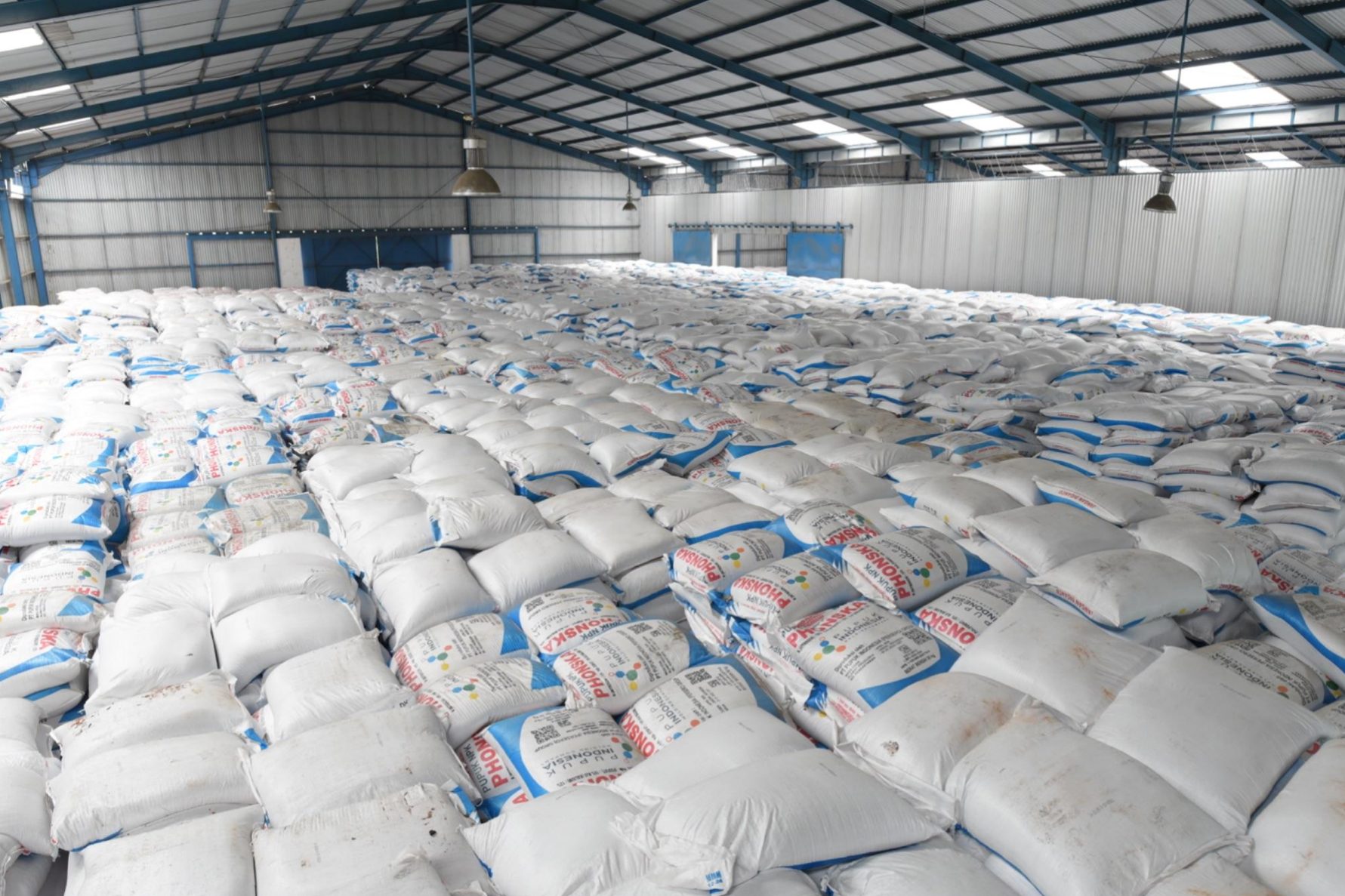
At the national level, Jeff added, as of August 7, 2025, the redemption of subsidized fertilizers has reached 4.4 million tons, or about 48 percent of the total allocation of 9.55 million tons. Pupuk Indonesia has also prepared a national stock of subsidized fertilizers totaling 1,369,000 tons to optimize uptake. “This stock is sufficient to meet the national fertilizer demand, including for farmers in Gunungkidul,” Jeff said.