Pupuk Indonesia Group Ready to Ensure the Success of the 2026 Subsidized Fertilizer Recipient Registration
-
 Posted by User01
- Share


The Ministry of Agriculture (Kementan) of the Republic of Indonesia, from September 22 to October 25, 2025, is conducting electronic data entry for the Definitive Group Needs Plan (e-RDKK) for 2026. Pupuk Indonesia Group is ready to support the successful registration of subsidized fertilizer recipients to ensure more optimal distribution.
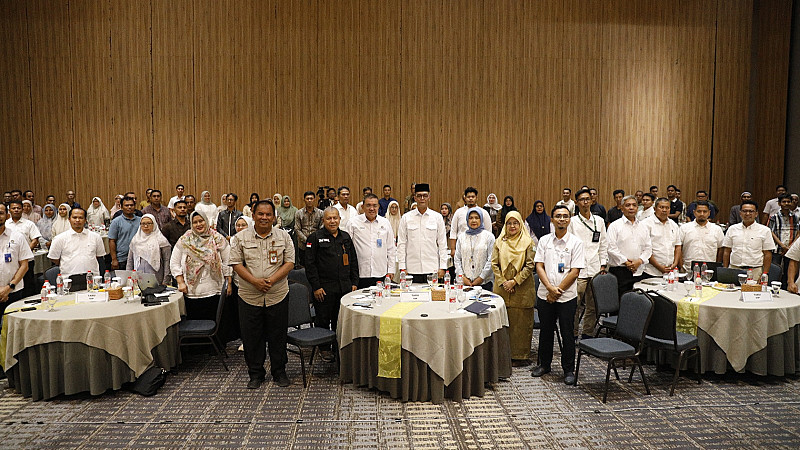
"Let us succeed and optimize the data collection of farmers who need subsidized fertilizers, so they can be registered in the 2026 e-RDKK system. This way, the subsidized fertilizer allocation determined by the government can be fully absorbed," said Filius Yuliandi, President Director of Pupuk Iskandar Muda, during the event “Socialization on the Optimization of Subsidized Fertilizer Distribution 2025 and e-RDKK 2026 Data Entry” in Banda Aceh on Tuesday (October 7, 2025).
He added that the government has made significant changes in the management of subsidized fertilizer distribution in 2025. These changes are regulated in Presidential Regulation (Perpres) No. 6 of 2025 concerning the Governance of Subsidized Fertilizers and Minister of Agriculture Regulation (Permentan) No. 15 of 2025 as part of its implementing regulations.
This policy is expected to improve services and ensure that subsidized fertilizers are distributed accurately and remain accessible to all farmers. Therefore, this convenience must be supported by valid e-RDKK data to achieve optimal results in realizing national food self-sufficiency.
At the same event, Sri Pujiati, Head of the Fertilizer Working Group at the Ministry of Agriculture, explained that the smooth distribution of subsidized fertilizers cannot be separated from the validity of e-RDKK data.
"If the data collection is wrong, the planning will be wrong. In the end, redemption will also be wrong, because the basis for redemption is the e-RDKK. So we must fix the e-RDKK—improve and properly validate the data," said Sri.
She also emphasized that data collectors must thoroughly understand the technical guidelines for data collection. Farmers eligible for subsidized fertilizers and inclusion in the e-RDKK are those who cultivate or manage up to 2 hectares of land and work on ten commodities: rice, corn, soybeans, chili, shallots, garlic, cocoa, coffee, sugarcane (for smallholders), and cassava.
"We must know how to record farmers properly—who is eligible to receive subsidized fertilizers. During data collection, we must understand the intended beneficiaries, so there are no mistakes," Sri emphasized.
The collected data, she added, will be verified in stages until approved by the Head of the Agriculture Office. This verified data will then serve as the basis for fertilizer redemption at each Fertilizer Distribution Point (PPTS). Therefore, Sri hopes that the e-RDKK data entered truly reflects real field conditions.
"When preparing the e-RDKK, record the actual land conditions. If there is only one planting season, write down one planting season. Don’t worry that fertilizers will run out—this helps us plan more accurately. Inconsistencies will appear during redemption, and that’s what often happens," she explained.
Sri also mentioned that if, within the same year, there are changes in the number of planting seasons, expansion of farmland, or newly added farmers, they need not worry, because Permentan No. 15/2025 allows e-RDKK updates within the same year.
"Currently, it is said that the need for subsidized fertilizer is 14 million tons. But so far, out of the 9.55 million tons allocated by the government, 3 million tons have yet to be absorbed," Sri revealed.
Similarly, Jekvy Hendra, Director of Fertilizers at the Ministry of Agriculture, urged all agricultural extension officers to actively encourage farmers to input e-RDKK data based on actual needs, not desires. This ensures that the allocated subsidized fertilizer can be absorbed optimally.
"For example, organic fertilizer has very low absorption. It looks good in the e-RDKK, but implementation doesn’t follow. Why is that happening?" asked Jekvy.
Aceh Farmers Have Redeemed 136,305 Tons of Subsidized Fertilizers
Meanwhile, Filius added that as of October 3, 2025, the realization of national subsidized fertilizer distribution had reached 5,732,000 tons, or 60 percent of the total 9.55 million tons allocated nationally. Specifically, in Aceh Province, realization reached 136,305 tons, or 51 percent of the 267,114 tons allocated.
As of August, 209,963 farmers in Aceh (45 percent of the 469,935 registered in the e-RDKK) had redeemed subsidized fertilizers.
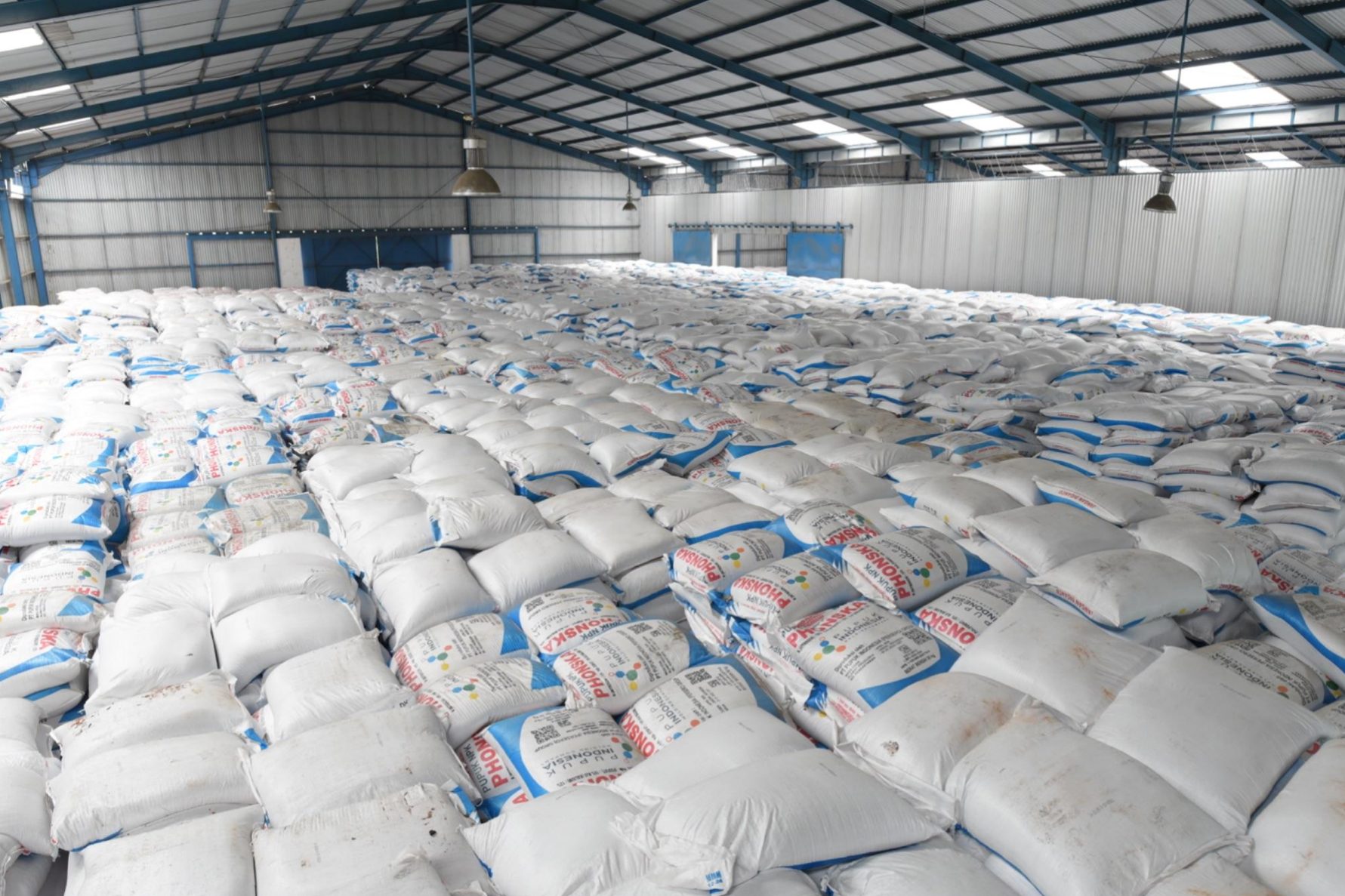
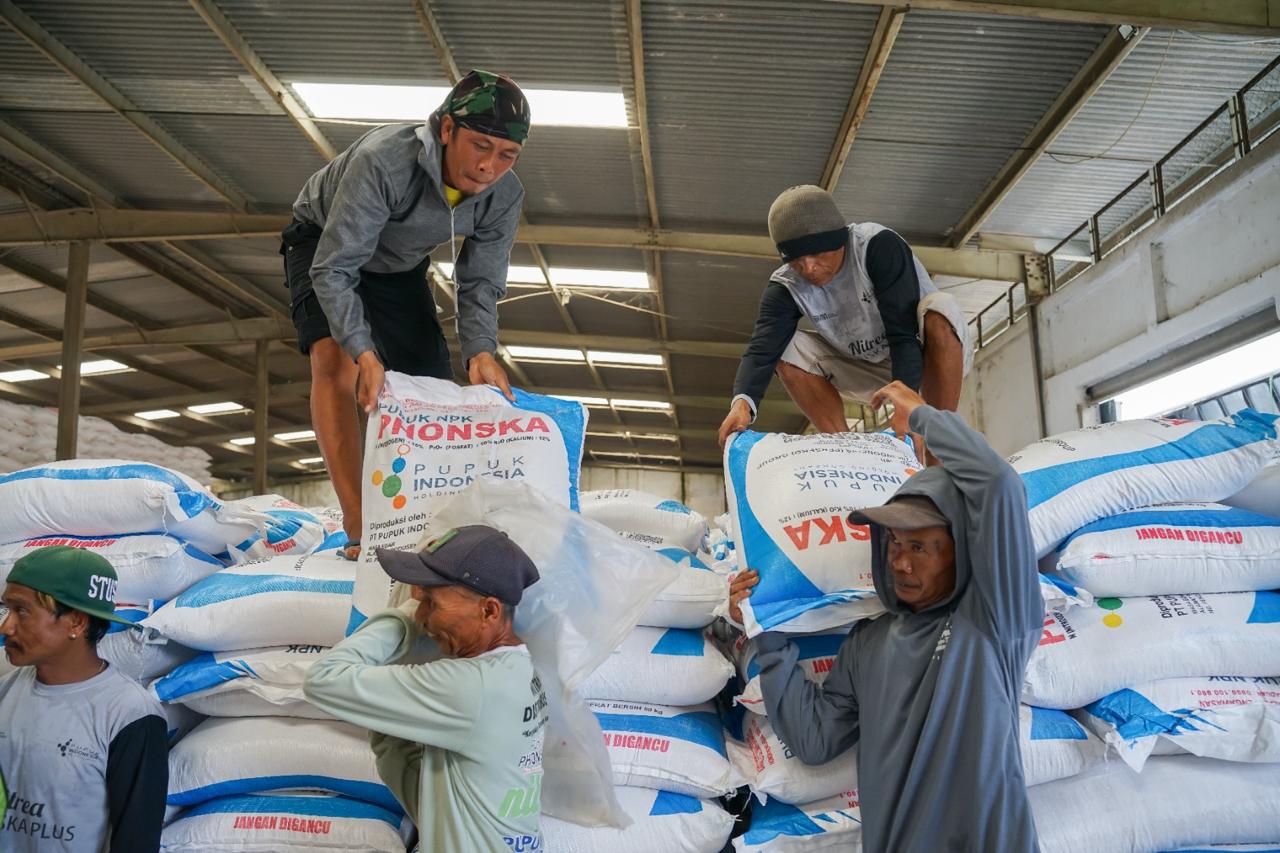
In terms of availability, Pupuk Indonesia has provided 5,973 tons of subsidized fertilizer stock in Aceh Province, consisting of 3,023 tons of urea, 2,026 tons of NPK, 259 tons of Special Formula NPK (Cocoa NPK), and 663 tons of organic fertilizer. All these stockpiles are available for registered farmers to meet their planting season needs.
“All stakeholders will jointly conduct evaluations and provide guidance so that the distribution of subsidized fertilizers can be more accurately targeted. With this, the government’s goal to increase food production, especially in Aceh Province, can be achieved even more effectively,” he concluded.