Pupuk Indonesia Ensured The National Fertilizer Supply Remains Secure Amid Ongoing Tension in The Middle East
-
 Posted by User01
- Share


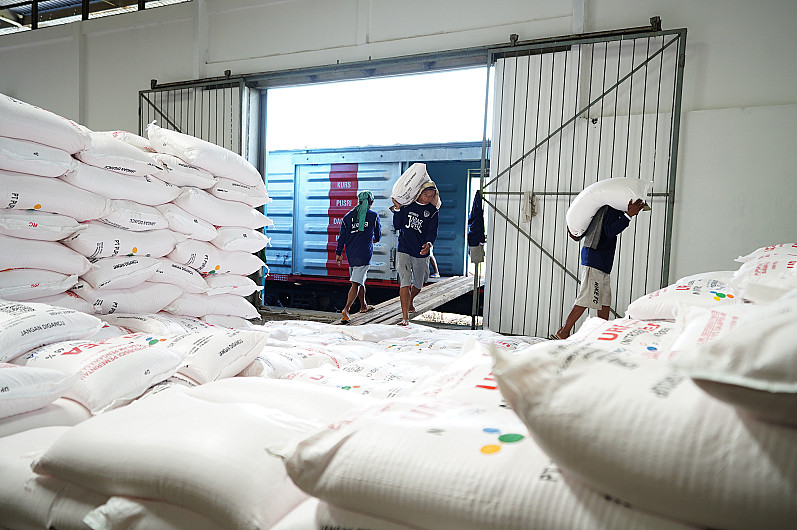
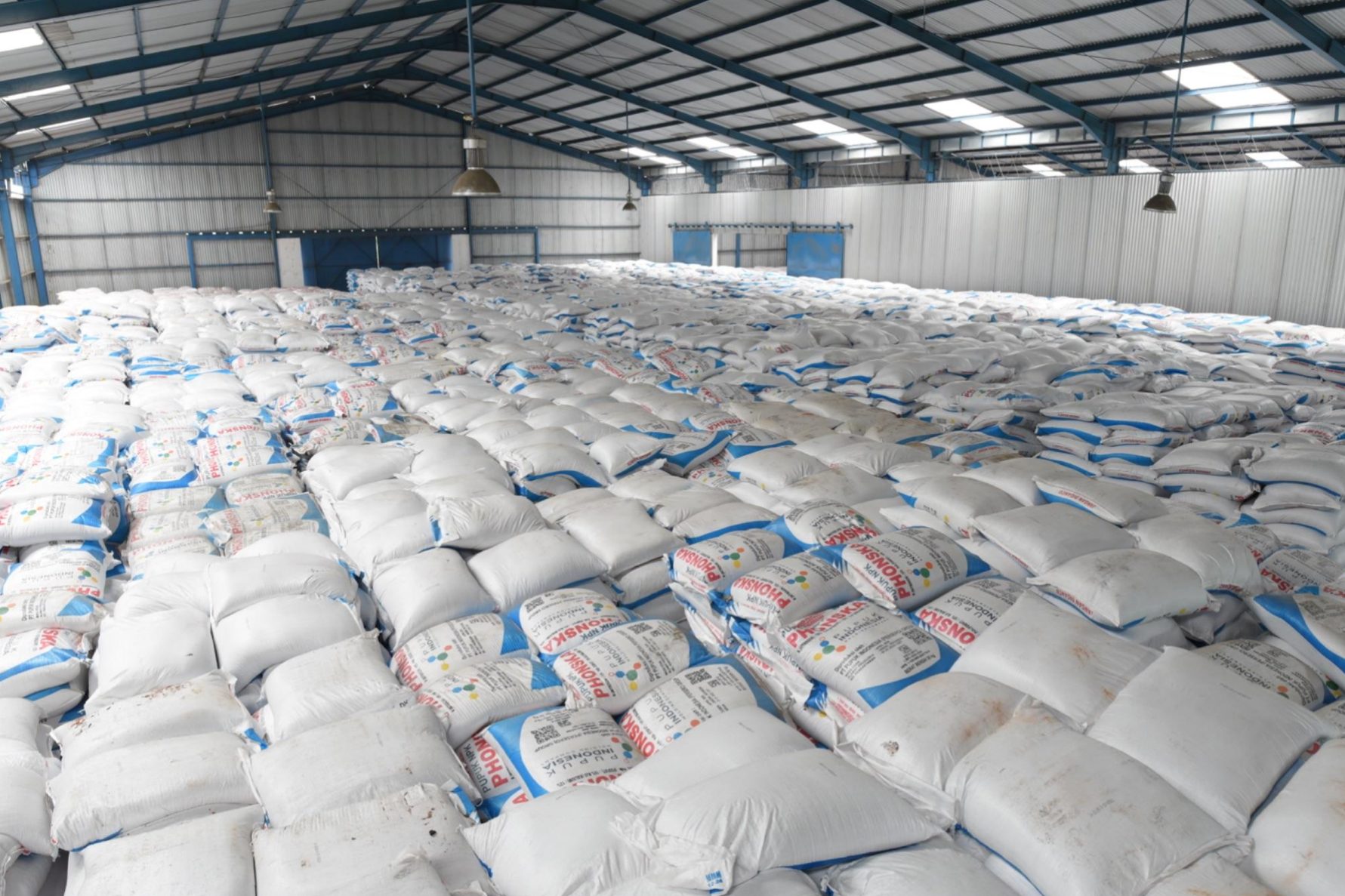
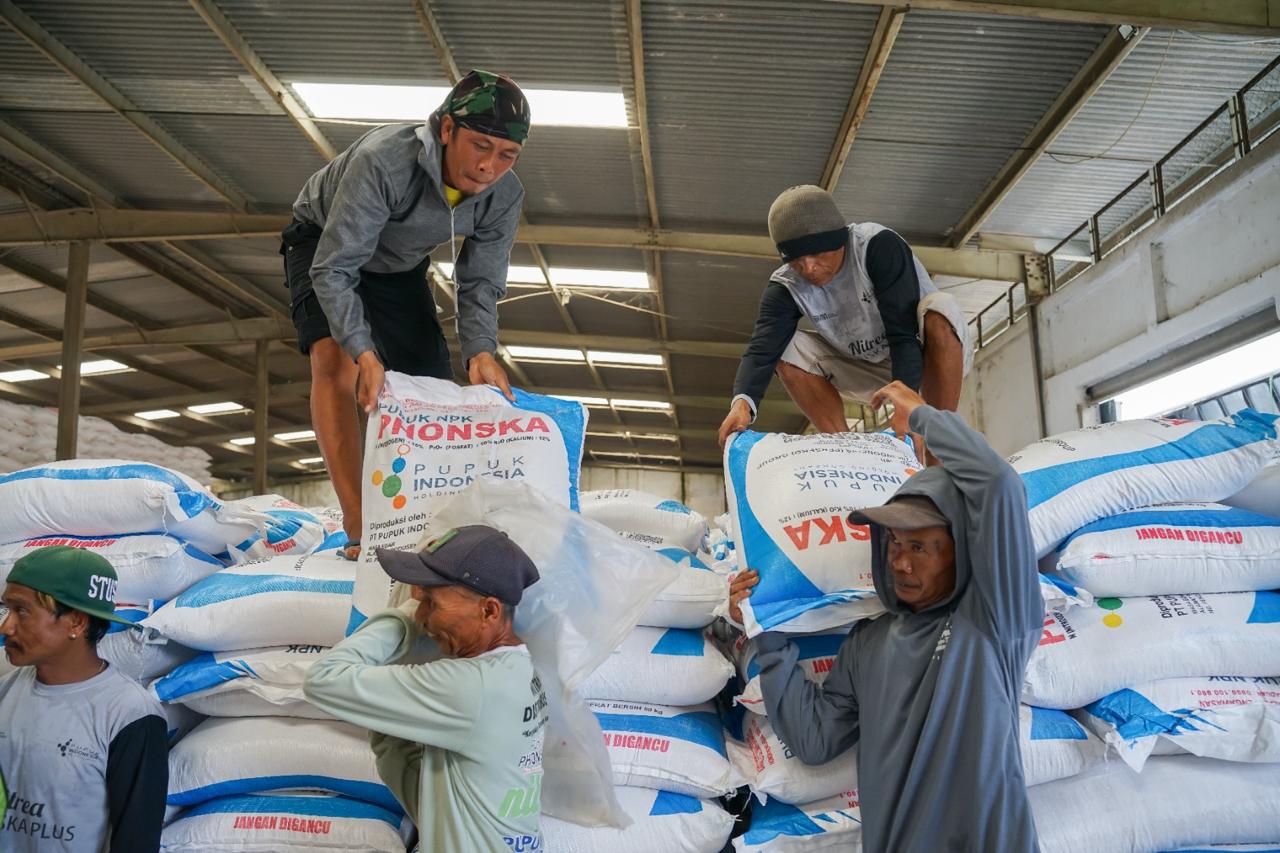
Jakarta, March 6, 2026 – PT Pupuk Indonesia (Persero) has ensured that the national fertilizer supply remains secure amid ongoing geopolitical tensions in the Middle East. As the world’s seventh-largest fertilizer producer, Pupuk Indonesia possesses sufficient production capacity and raw material reserves to sustain fertilizer availability for farmers.
“Pupuk Indonesia is committed to fulfilling the government’s mandate to ensure the availability and affordability of fertilizers for farmers. Amid current geopolitical dynamics, we are ensuring that the national fertilizer supply remains secure, allowing farmers to continue planting without concerns about fertilizer availability,” said Pupuk Indonesia Corporate Secretary, Yehezkiel Adiperwira.
Currently, Pupuk Indonesia Group has a production capacity of 14.8 million tons per year for various types of fertilizers. Specifically for urea, Pupuk Indonesia’s production capacity is sufficient to meet the entire domestic demand.
Fundamentally, national urea production maintains a strong level of self-sufficiency, as its primary raw material—natural gas—is sourced domestically, with supply and pricing regulated by the government. Therefore, even if conflict escalation occurs in the Strait of Hormuz—a key global urea distribution route—it does not directly impact Indonesia’s urea fertilizer supply.
“Pupuk Indonesia is the largest urea producer across the Asia-Pacific, Middle East, and North Africa regions. With this strong production capacity, we are well-positioned to maintain optimal fertilizer supply for Indonesian farmers,” Yehezkiel added.
In addition to production capacity, Pupuk Indonesia strengthens supply chain resilience through diversification of imported strategic raw material sources. Certain fertilizer inputs are not naturally available in Indonesia, such as phosphate (P) and potassium (K), which are essential components in NPK fertilizer production.
Currently, Pupuk Indonesia sources phosphate (P) from North African countries such as Morocco, Tunisia, and Algeria. Meanwhile, potassium (K) is sourced from Canada and Laos, which are outside the Middle East conflict zone, thereby minimizing supply disruption risks.
Another raw material potentially affected by Middle East tensions is sulfur (S), which is used in producing sulfuric acid—a supporting component in NPK fertilizer manufacturing. Some sulfur supplies are currently sourced from countries such as the United Arab Emirates, Qatar, and Kuwait.
However, the risk of disruption can be mitigated, as sulfur can also be sourced from countries like Canada and Kazakhstan. Additionally, part of the sulfuric acid requirement can be met through domestic sources. With this diversification strategy, Pupuk Indonesia ensures that production processes continue to run optimally and fertilizer availability remains secure.
Beyond diversification, Pupuk Indonesia is also strengthening raw material stock management by maintaining adequate levels of phosphate, potassium, sulfur, and sulfuric acid to support production. This stock management approach also serves as a precautionary measure against potential increases in logistics costs due to rising global oil prices.
From an operational perspective, Pupuk Indonesia continues to enhance energy efficiency and optimize raw material utilization through its industrial revitalization program, supported by Presidential Regulation No. 113 of 2025. The program includes plans to build new plants and revamp seven existing plants over the next five years. This initiative enables optimization of production capacity while promoting more efficient raw material usage.
With strong production capacity, diversified raw material sources, robust stock management, and an ongoing revitalization program, Pupuk Indonesia remains optimistic about maintaining the stability of national fertilizer supply.
“Our primary focus remains ensuring that domestic fertilizer needs are met optimally,” Yehezkiel concluded.