Level Up! Pupuk Indonesia In The Southeast Asia Fortune 500 Again
-
 Posted by User01
- Share


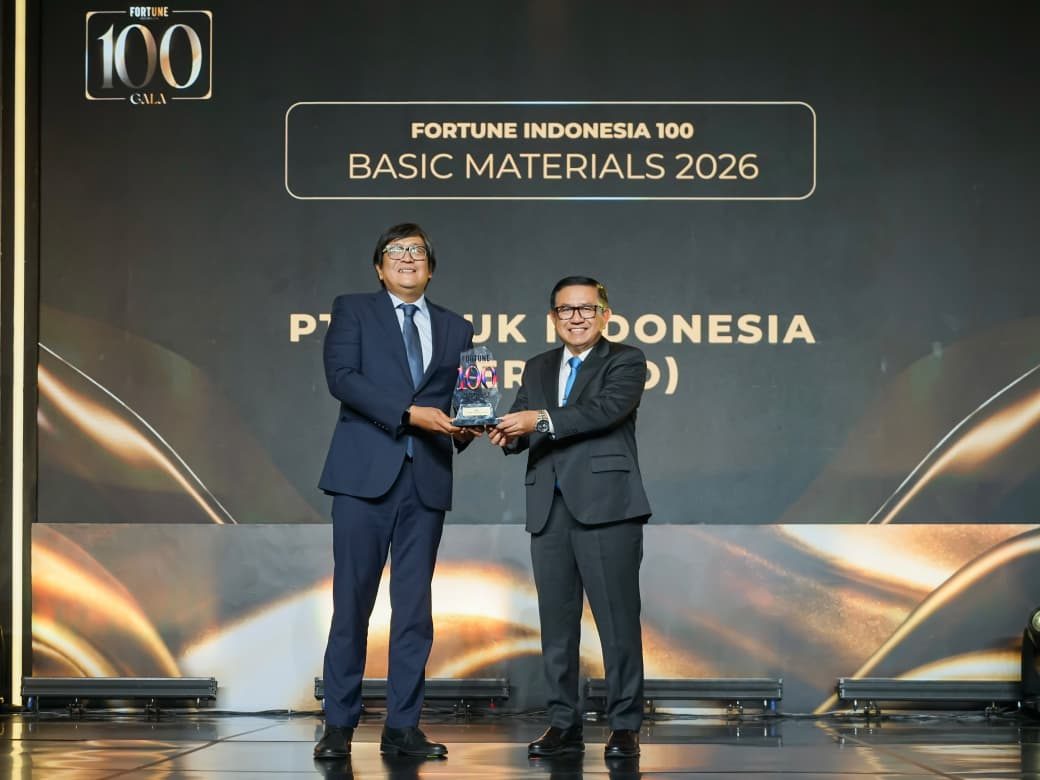
Jakarta, June 22, 2026 – PT Pupuk Indonesia (Persero) has once again been included in the 2026 Fortune Southeast Asia 500 (FSEA500), which ranks the 500 largest companies in Southeast Asia based on their fiscal year 2025 revenues. This recognition reflects the strengthening of the company’s business fundamentals, supported by governance transformation and efficiency improvements, while reinforcing its readiness to implement revitalization and downstream industrialization initiatives for long-term growth.
This year, Pupuk Indonesia ranked 68th on the Fortune Southeast Asia 500 list, recording audited revenue of IDR 90.4 trillion, representing a 10 percent increase compared to the previous year.
Corporate Secretary of Pupuk Indonesia, Yehezkiel Adiperwira, stated that the achievement demonstrates the company’s success in maintaining a balance between business performance and the execution of its strategic mandate to support national food security.
“Pupuk Indonesia’s position in the Fortune Southeast Asia 500 reflects the company’s strong business fundamentals, which have been built through governance transformation and continuous efficiency improvements. This foundation enables us to continue supporting national food security while accelerating investments that strengthen competitiveness and create new growth opportunities for the company,” said Yehezkiel.
The strengthening of Pupuk Indonesia’s business fundamentals cannot be separated from the government’s transformation of subsidized fertilizer governance. The simplification of fertilizer distribution mechanisms through Presidential Regulation No. 6 of 2025 has accelerated distribution to farmers and improved the effectiveness of the subsidy program.
The government further strengthened these reforms through Presidential Regulation No. 113 of 2025, which changed the subsidy scheme from a cost-plus model to a market-based pricing mechanism. This policy adjustment has improved the financing structure of the fertilizer industry and provided greater flexibility for companies to undertake productive investments through revitalization programs.
“Efficiency does not only impact the company’s performance, but also creates broader benefits across the entire ecosystem. Improved governance enables subsidized fertilizer distribution to become more effective, while the resulting efficiencies provide greater room for the company to undertake strategic investments that support long-term growth. At the same time, the benefits of these efficiencies are passed on to farmers through a 20 percent reduction in the Highest Retail Price (HET) of subsidized fertilizers since October 2025,” Yehezkiel explained.
The improvements in governance and efficiency have now provided Pupuk Indonesia with greater capacity to accelerate its revitalization and downstream industrialization agenda. These two initiatives are expected to become the company’s primary growth drivers over the long term while strengthening the competitiveness of Indonesia’s fertilizer industry.
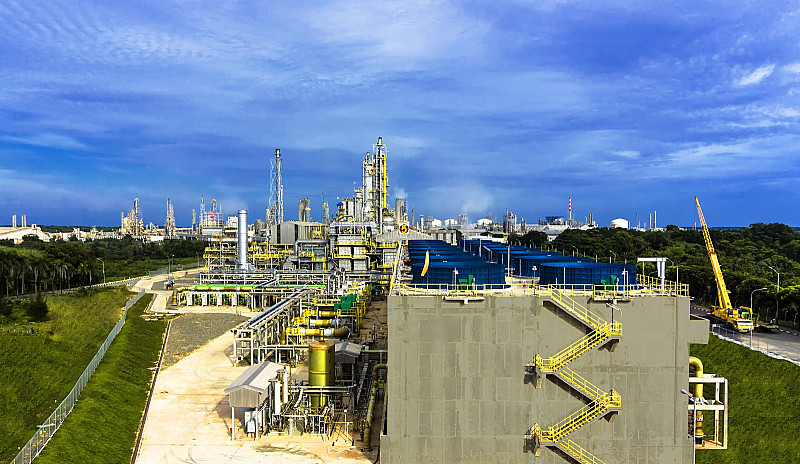
Under its revitalization program, Pupuk Indonesia targets the construction and modernization of seven plants over the next five years to improve energy efficiency, production capacity, and operational reliability. One project that has already been completed is the Ammonia Plant-2 Revamping Project at PT Pupuk Kalimantan Timur, which successfully reduced gas consumption by more than 10 percent, significantly improving operational efficiency.
In the area of downstream industrialization, Pupuk Indonesia continues to expand its business portfolio through the development of various strategic projects. These include the construction of a soda ash plant with a production capacity of 300,000 tons per year in Bontang, East Kalimantan, as well as the development of a methanol plant that is expected to support national industrial needs while strengthening energy security.
These projects are expected to create greater added value for the national economy, reduce dependence on imports of strategic commodities, and enhance the competitiveness of Indonesia’s fertilizer industry at the regional level.