Coordinating Minister Zulhas: Subsidized Fertilizer Distribution in Palu Is Running Smoothly
-
 Posted by User01
- Share


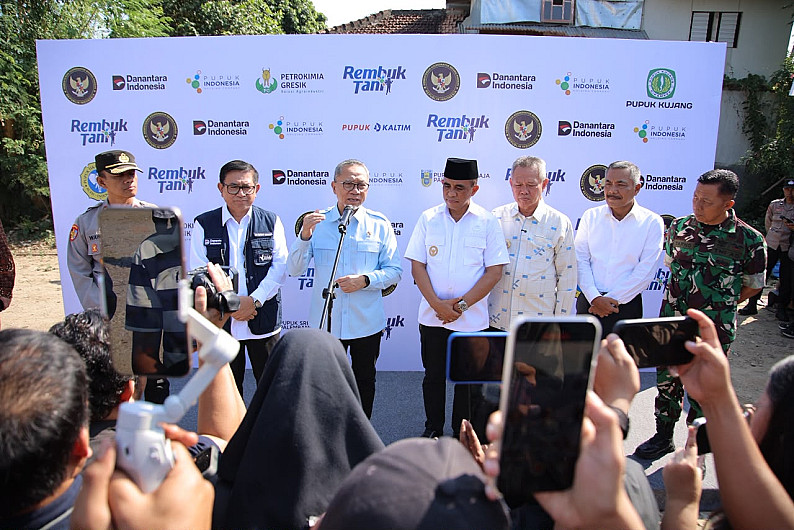
Palu, July 4, 2026 – Coordinating Minister for Food Affairs of the Republic of Indonesia, Zulkifli Hasan (Menko Zulhas), has confirmed that the distribution of subsidized fertilizers in Palu, Central Sulawesi, is running smoothly, allowing farmers to redeem fertilizers before the planting season. The statement was made during the Pupuk Indonesia Rembuk Tani (Farmers' Dialogue) held in Palu, Central Sulawesi, on Saturday (July 4, 2026).
Menko Zulhas stated that the smooth distribution of subsidized fertilizers is part of the Government’s efforts to maintain agricultural productivity. According to him, ensuring fertilizer availability before the planting season is a crucial factor in increasing crop yields while strengthening national food security.
“The Government is here to ensure that farmers’ needs are fully met. Whenever I visit a region, I always meet with farmers to make sure that Government policies are being implemented effectively,” Menko Zulhas said.
He explained that the Government has undertaken a series of reforms to simplify, accelerate, and improve farmers’ access to subsidized fertilizers. These reforms include streamlining regulations and reducing the Highest Retail Price (HET) by 20 percent for all types of subsidized fertilizers.
According to him, these policies have delivered tangible results, with fertilizers now available before the planting season in sufficient quantities and at more affordable prices. This provides farmers with greater certainty to begin planting without concerns over fertilizer availability.
“Thank God, we have confirmed today that fertilizers are available before the planting season, supplies are sufficient, and prices have been reduced. You can ask the farmers themselves,” Menko Zulhas said.
Furthermore, Menko Zulhas noted that maintaining adequate fertilizer supplies is a significant achievement amid ongoing global supply chain uncertainties. While several countries continue to face fertilizer shortages, Indonesia has successfully maintained fertilizer supplies at levels that are more than sufficient to meet farmers’ needs.
“Amid global geopolitical dynamics, many countries are experiencing fertilizer shortages. Fortunately, Indonesia has more than enough fertilizer supplies,” he said.
He added that timely fertilizer distribution has had a direct impact on increasing national agricultural productivity. According to him, ensuring fertilizer availability before the planting season can increase agricultural production by approximately 7 to 8 percent, whereas delays in fertilizer distribution inevitably reduce harvest yields.
“When fertilizers are readily available before the planting season, agricultural production increases. If fertilizers arrive late, production will certainly decline. Fertilizers are therefore essential for improving farmers’ productivity,” Menko Zulhas explained.
On the same occasion, Director of Operations of PT Pupuk Indonesia (Persero), Dwi Satriyo Annurogo, expressed his appreciation for the Government’s support, which has enabled Pupuk Indonesia to distribute subsidized fertilizers more efficiently. According to him, the Government’s various policy improvements have contributed to higher fertilizer uptake among farmers.
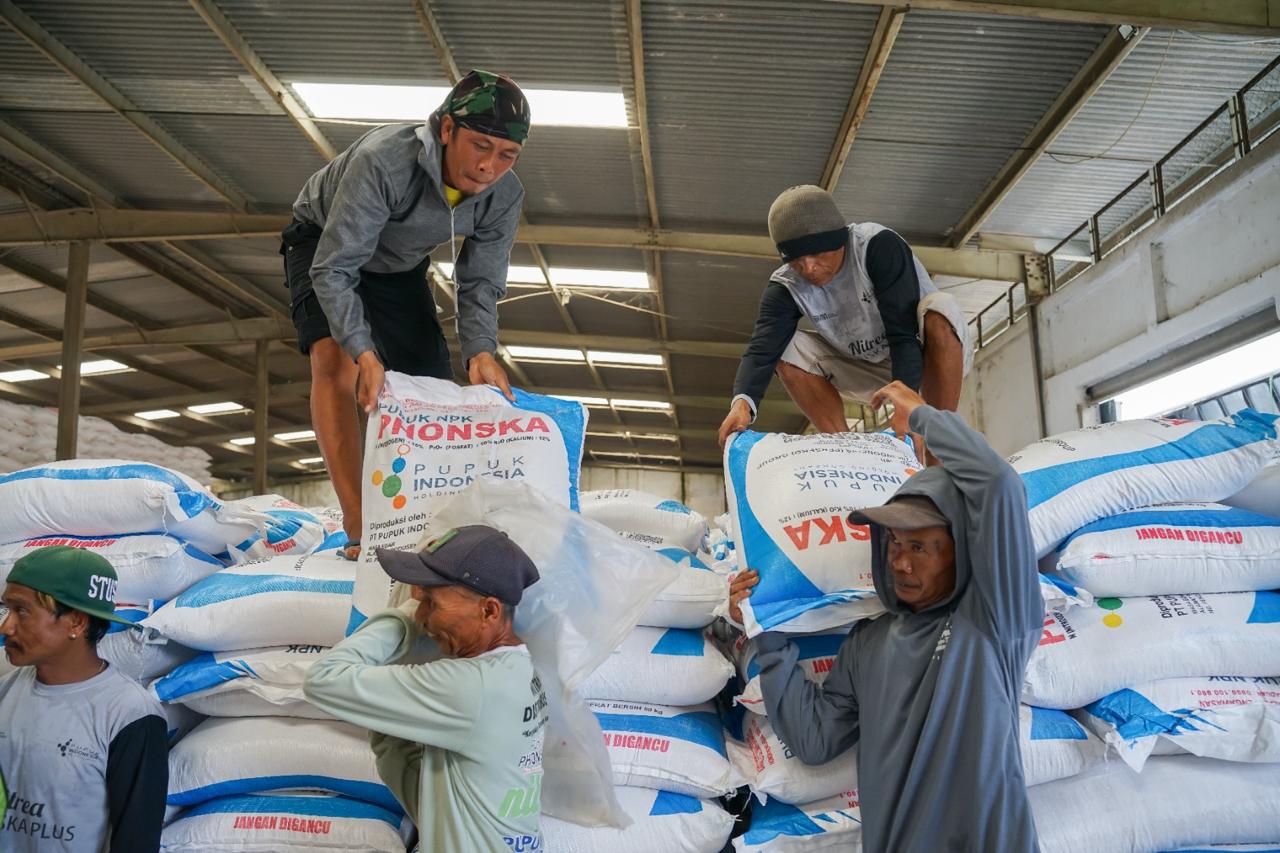
Nationwide, subsidized fertilizer distribution had reached 4,855,894 tons, or 49 percent of the total 2026 allocation of 9,845,686 tons, as of June 30, 2026. In Central Sulawesi alone, fertilizer redemption reached 68,459 tons, equivalent to 42 percent of the province’s allocation of 161,400 tons. The distribution consisted of 23,668 tons of Urea, 33,249 tons of NPK Phonska, 10,432 tons of Special NPK Cocoa, 1,038 tons of organic fertilizer, and SP-36 fertilizer.
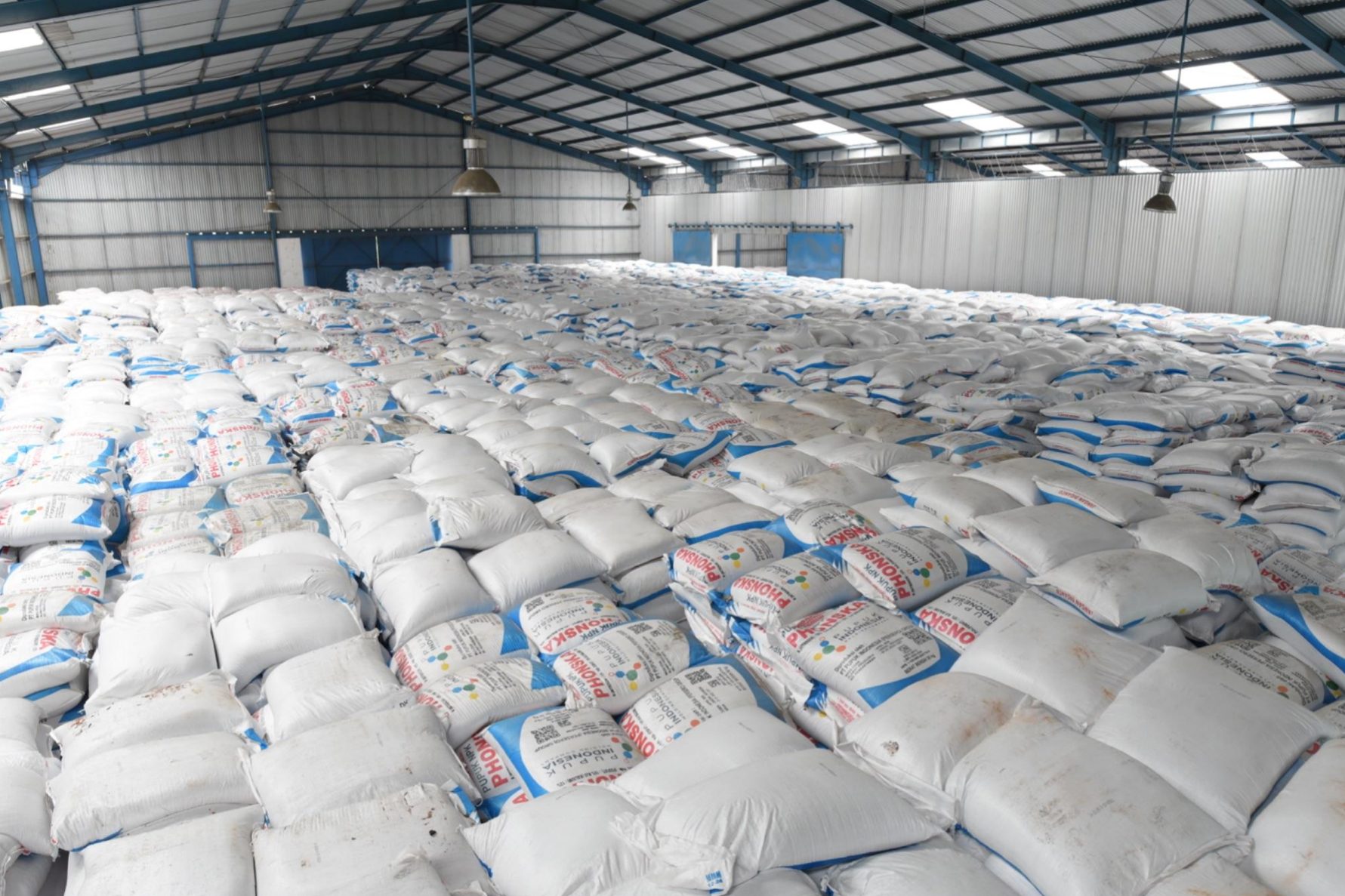
To further support fertilizer distribution, Pupuk Indonesia has prepared 14,805 tons of subsidized fertilizer stock for Central Sulawesi. As of July 2, 2026, the stock consisted of 8,726 tons of Urea, 3,705 tons of NPK Phonska, 1,695 tons of NPK Cocoa, 637 tons of organic fertilizer, and 42 tons of SP-36.