Delivering the Results of Transformation Under Danantara, Pupuk Indonesia Posts IDR 8.51 Trillion Net Profit in the First Half of 2026
-
 Posted by User01
- Share


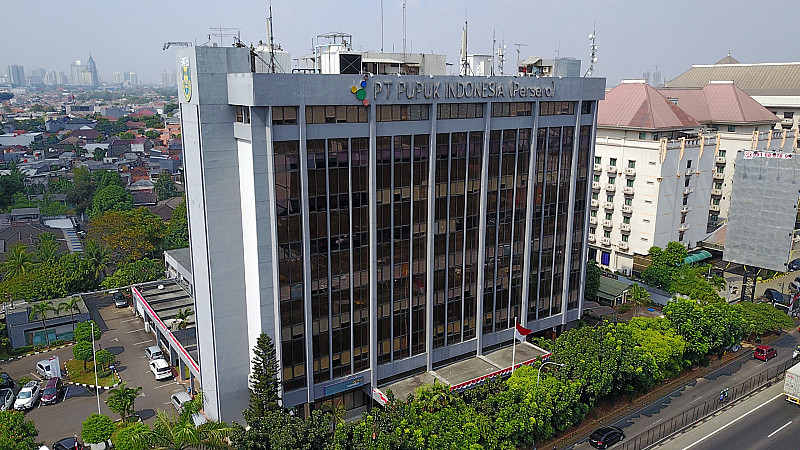
Jakarta, July 13, 2026 – PT Pupuk Indonesia (Persero) recorded strong financial performance throughout the first half of 2026, driven by its ongoing business and corporate governance transformation aligned with the strategic agenda of Danantara Indonesia. The achievement reflects the successful implementation of disciplined operational excellence and cost leadership under Danantara’s supervision.
President Director of Pupuk Indonesia, Rahmad Pribadi, explained that the company’s consistent operational efficiency and cost discipline, implemented in line with the agenda of President Prabowo Subianto’s administration, have enabled Pupuk Indonesia to achieve sustainable growth regardless of commodity price cycles.
“With the Government’s support through Danantara, our comprehensive business transformation has begun to deliver tangible results, as reflected in our strong financial performance. With an increasingly solid financial foundation, we are confident that this growth will be sustainable—not only for the company’s performance, but also for our greater contribution to strengthening national food security,” Rahmad said.
From January to June 2026, Pupuk Indonesia recorded a net profit of IDR 8.51 trillion, representing a 253 percent increase compared to the same period last year. The company generated revenue of IDR 59.67 trillion, up 51 percent year-on-year, while EBITDA increased by 140 percent to IDR 14.28 trillion, supported by higher production volumes and improved operational cost efficiency resulting from the company’s business transformation initiatives.
The transformation has also strengthened Pupuk Indonesia’s business resilience through strategies designed to keep the company adaptive and sustainable amid global economic uncertainties. The company has diversified its revenue streams by increasing contributions from non-subsidized fertilizer and non-fertilizer businesses, while broadening its raw material sourcing and contract schemes to mitigate the impact of global commodity price volatility on its cost structure.
Over the past several years, Pupuk Indonesia has continuously pursued comprehensive business transformation through operational and digital excellence, stronger holding business streamlining, improved Public Service Obligation (PSO) distribution, and enhanced commercial capabilities. From a governance perspective, these transformation efforts have been reinforced by Presidential Regulation No. 113 of 2025, which marked a major milestone in improving the company’s operational efficiency.
In line with its transformation agenda, the company is also committed to revitalizing seven fertilizer plants over the next five years, in accordance with Danantara’s directive to optimize the productivity and value of state-owned enterprise assets. In addition, Pupuk Indonesia is preparing several strategic development initiatives, including portfolio expansion and diversification through methanol and methanol derivative projects, clean ammonia development, industrial support businesses, and other growth initiatives.
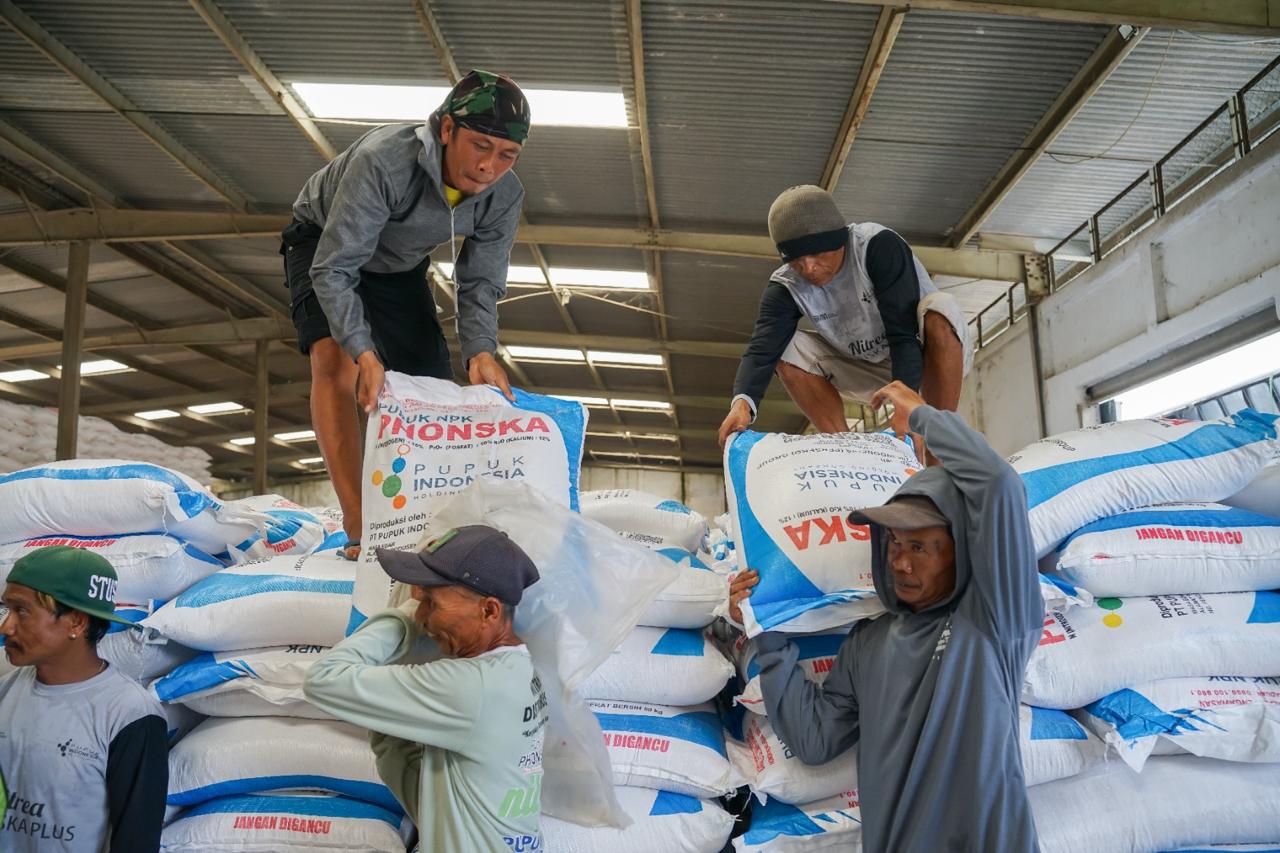
Pupuk Indonesia’s transformation has also generated tangible benefits for farmers by improving access to subsidized fertilizers. Throughout 2025, the company distributed 8,110,571 tons of subsidized fertilizers, an increase of 10.68 percent compared to the previous year. This improvement was supported by the implementation of the i-Pubers digital system, which accelerated and simplified the fertilizer redemption process, as well as Presidential Regulation No. 6 of 2025, which streamlined the governance of subsidized fertilizer distribution, making it faster, simpler, and more accurately targeted. As of July 12, 2026, Pupuk Indonesia had distributed 5.13 million tons of subsidized fertilizers, equivalent to 52 percent of the Government's 2026 allocation of 9.8 million tons.
“In line with the SOE transformation agenda driven by Danantara, all of these structural reforms ultimately serve one purpose: ensuring that fertilizers become more affordable and reach farmers more quickly, while maintaining healthier costs for the Government and strengthening national food security,” Rahmad said.
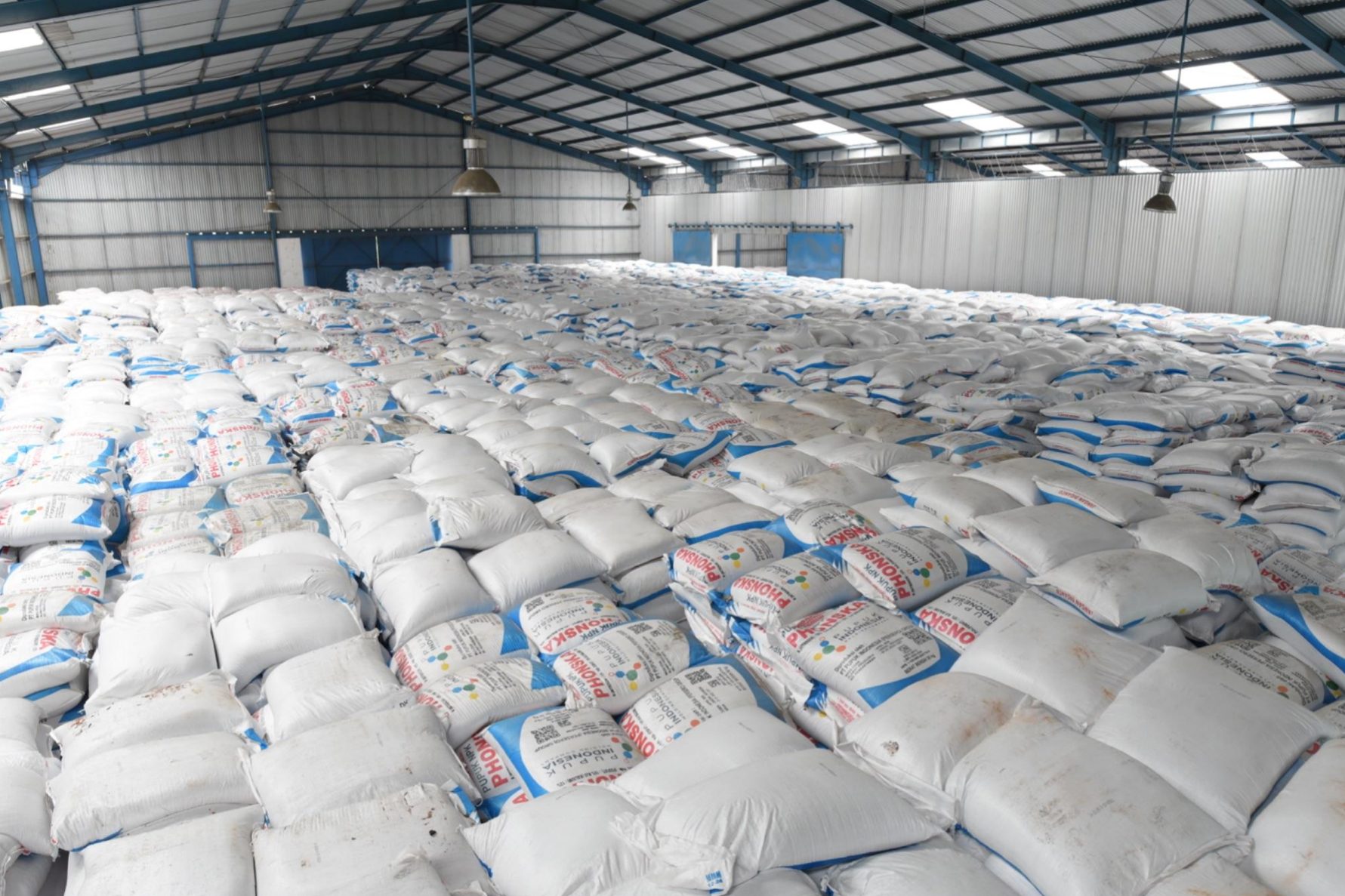
Operationally, Pupuk Indonesia continues to embed efficiency and asset optimization as sustainable business practices to maintain the company's long-term competitiveness. With a national production capacity of approximately 14.8 million tons per year, the company has sufficient capacity to meet domestic fertilizer demand while also responding to opportunities in global markets without compromising supplies for Indonesian farmers.
“For us, sustainable profitability is not about achieving the highest earnings every year. It is about building a strong enough foundation to continue growing despite changing global conditions. Our business resilience is not merely about withstanding industry volatility, but also about ensuring that this growth is felt directly by small businesses and farmers at the grassroots level,” Rahmad concluded.