Pupuk Indonesia Strengthens Raw Material Supply Certainty to Ensure Smooth Production
-
 Posted by User01
- Share


Pupuk Indonesia Strengthens Raw Material Supply Certainty to Ensure Smooth Production
Smooth fertilizer production is determined not only by the capacity and reliability of manufacturing facilities but also by the availability of raw materials. Ensuring a stable supply of raw materials is essential to maintaining sustainable production processes.
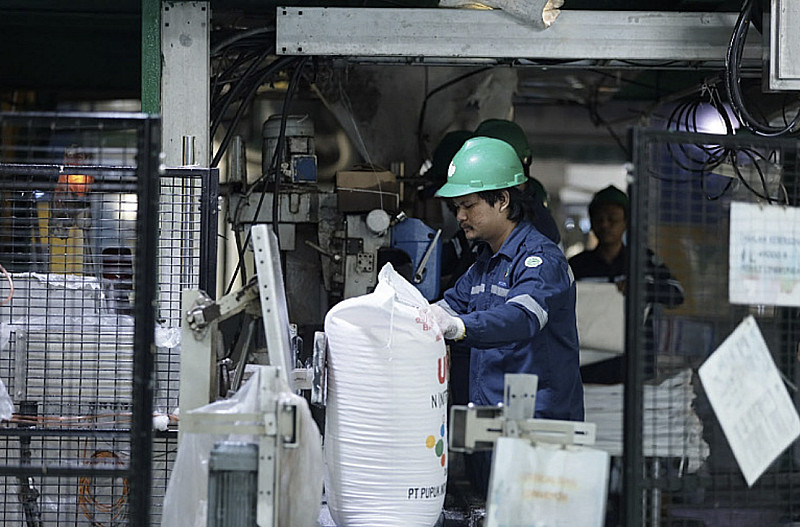
Pupuk Indonesia continues to strengthen the availability of strategic raw materials to support uninterrupted fertilizer production. These efforts include securing supply, diversifying raw material sources, and implementing more integrated supply chain management.
This strategy is crucial to maintaining plant operations while anticipating various risks that could affect raw material availability , both domestically and in global markets.
How Does Raw Material Management Ensure Production Continuity?
Raw materials are essential components of fertilizer manufacturing. Their availability must be carefully managed to ensure that production activities can proceed according to operational requirements and plant capacity.
For Pupuk Indonesia, raw material management involves more than simply ensuring supply availability. It also encompasses demand planning, procurement, storage, and supply monitoring. These measures help align production needs with raw material availability while enabling the company to anticipate potential disruptions at an early stage.
Each type of fertilizer also has distinct raw material requirements. Urea production, for example, relies heavily on natural gas as its primary feedstock. Meanwhile, NPK fertilizer production requires raw materials such as phosphate and potash, each with different supply chains.
These differences require tailored raw material management strategies based on the needs of each product. Securing natural gas supplies is essential to supporting urea production, while diversifying phosphate and potash sources helps strengthen supply flexibility for NPK production.
Effective planning also enables Pupuk Indonesia to align raw material availability with production requirements, particularly during periods of increased fertilizer demand. As a result, raw material management plays an important role in ensuring plant operational readiness and supporting fertilizer availability for Indonesia's agricultural sector.
The Critical Role of Natural Gas in Fertilizer Production
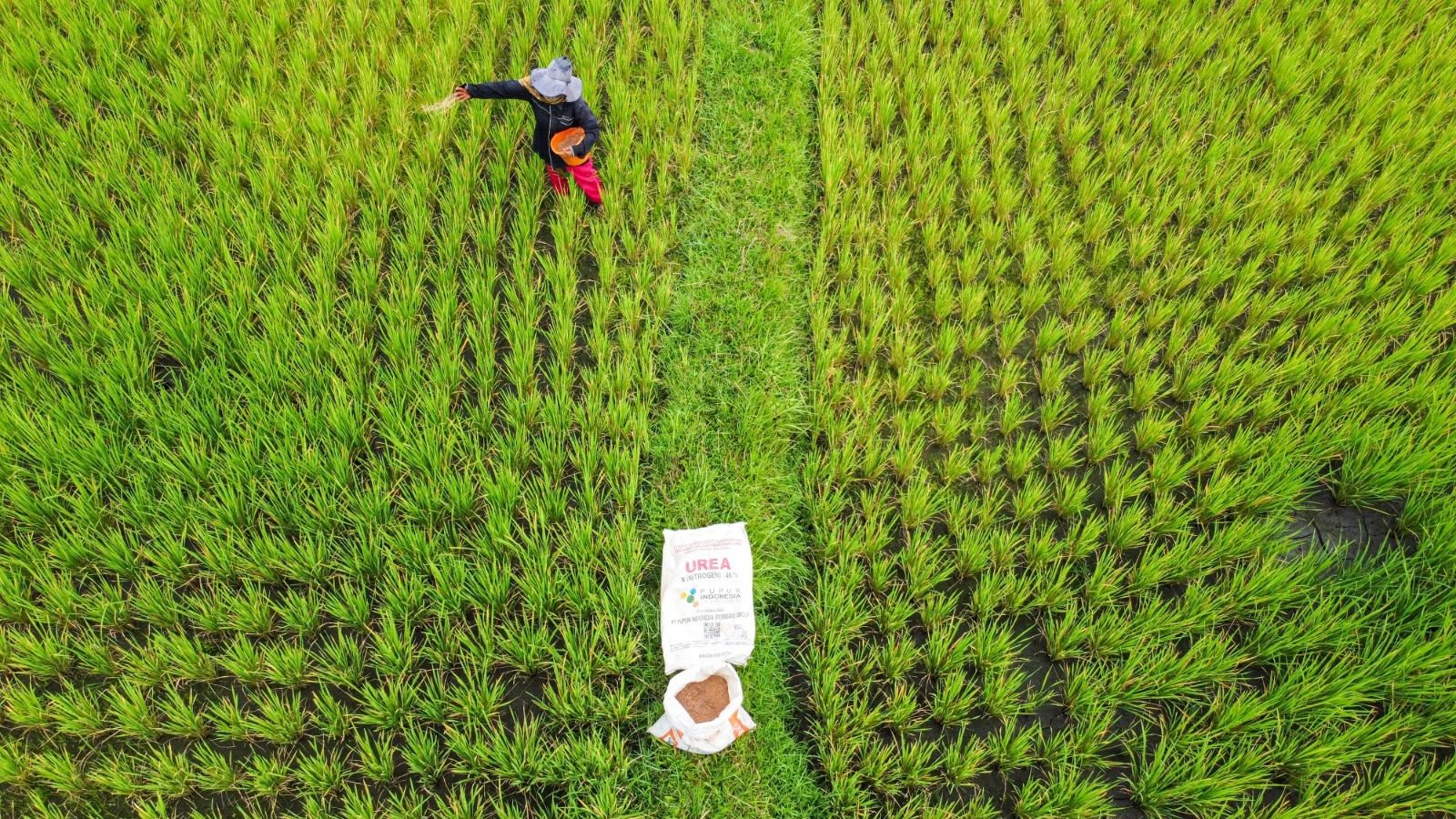
Natural gas availability is a key factor in maintaining uninterrupted urea production. Natural gas serves as a primary feedstock in the urea manufacturing process, making supply certainty essential to sustaining plant operations.
To meet these requirements, Pupuk Indonesia relies on domestic natural gas supplies, including support from the Government's Certain Natural Gas Price (HGBT) policy.
Supply certainty helps create more predictable production conditions. With adequate feedstock availability, urea production facilities can operate optimally to maintain fertilizer supplies.
Natural gas supply management is particularly important as fertilizer demand may increase during certain periods, including ahead of planting seasons. Therefore, ensuring a reliable natural gas supply remains a key factor in supporting uninterrupted urea production.
How Does Pupuk Indonesia Anticipate Global Supply Risks for NPK Production?
In addition to urea, Pupuk Indonesia is strengthening raw material management for NPK fertilizer production. Unlike urea, which primarily relies on natural gas, NPK production requires several raw materials, including phosphate and potash.
These materials are sourced through global supply chains and are therefore exposed to various risks, including price fluctuations, logistical disruptions, and changes in international market conditions.
To mitigate these risks, Pupuk Indonesia is diversifying its phosphate and potash sources . Diversification reduces reliance on a single supply source and enhances flexibility in meeting raw material requirements.
This approach provides Pupuk Indonesia with alternative supply options in the event of changes or disruptions to specific procurement channels. Consequently, raw material requirements for NPK production can be managed more flexibly in response to global supply chain conditions.
Vertical Integration Strengthens Supply Chain Resilience
In the long term, strengthening the supply chain involves more than securing supplies from external partners. Pupuk Indonesia is also promoting vertical integration as part of its strategy to enhance supply chain resilience.
Vertical integration enables more coordinated supply chain management, from raw material sourcing to the manufacturing process. This strategy can help improve supply certainty while reducing dependence on external market conditions.
Strengthening integration is a long-term effort to build a more resilient fertilizer supply chain . With increasingly integrated and well-managed supply chains, raw material procurement and management can be planned more effectively to support sustainable production operations.